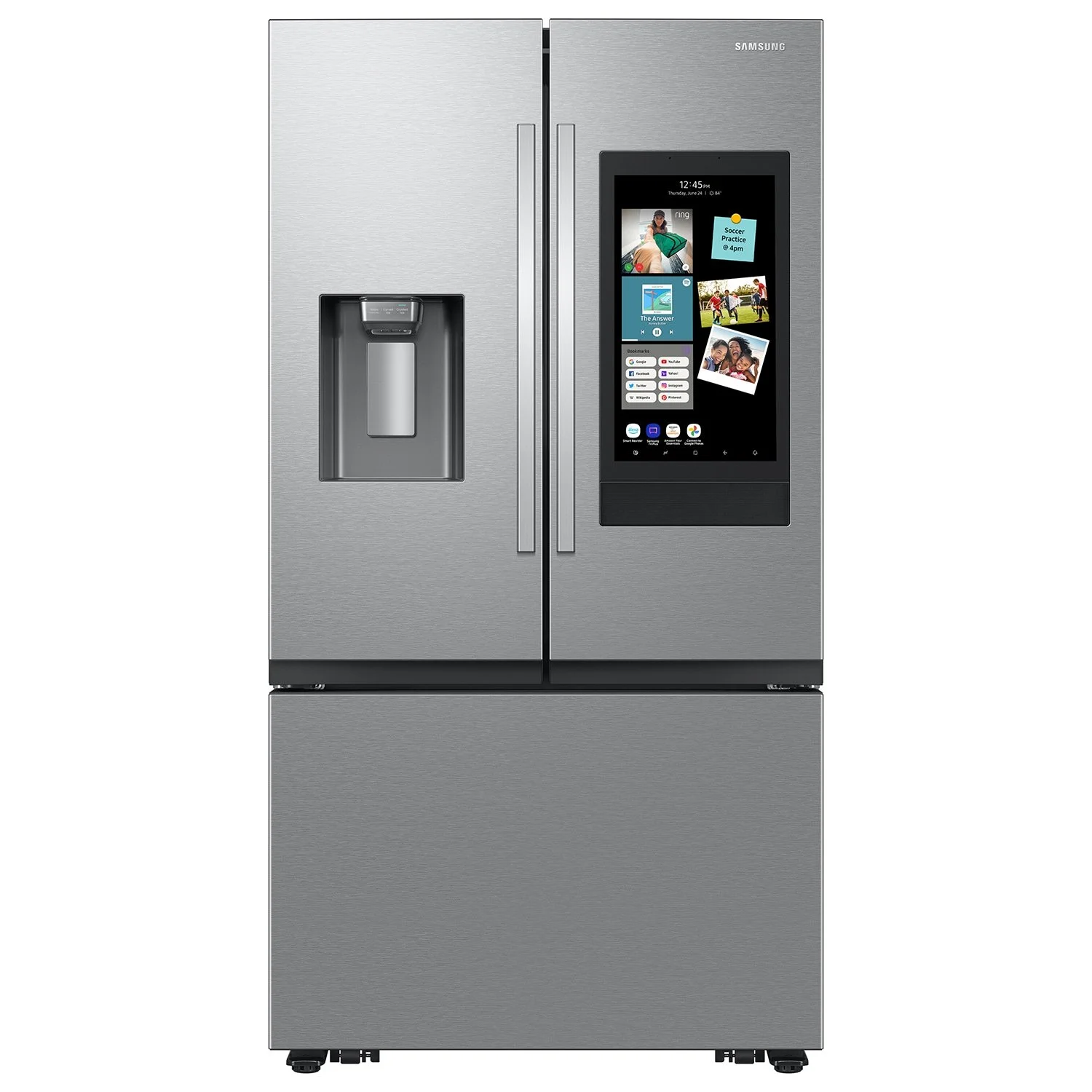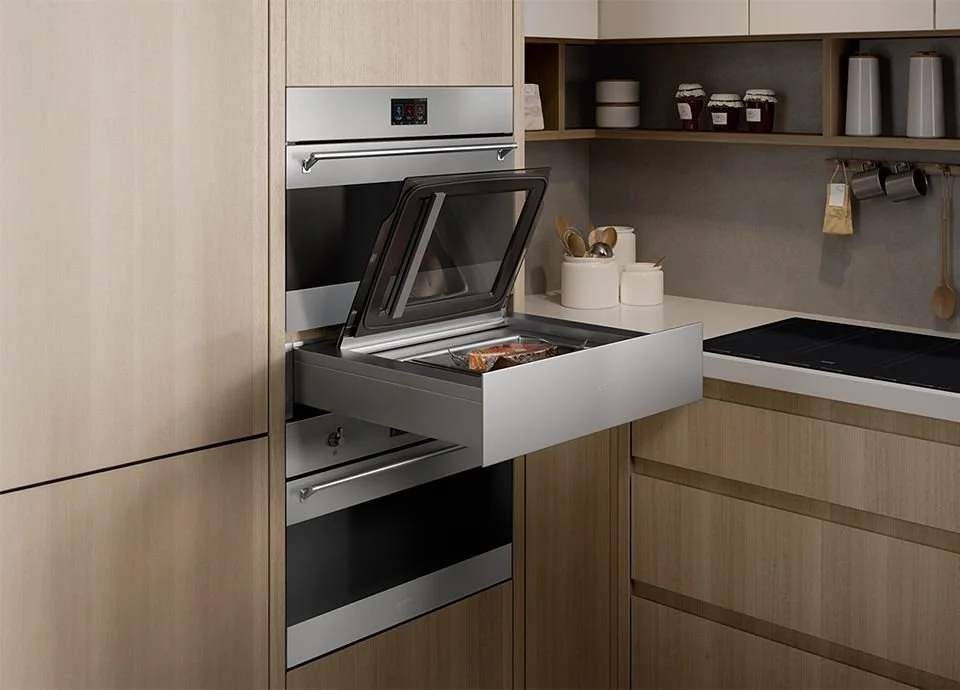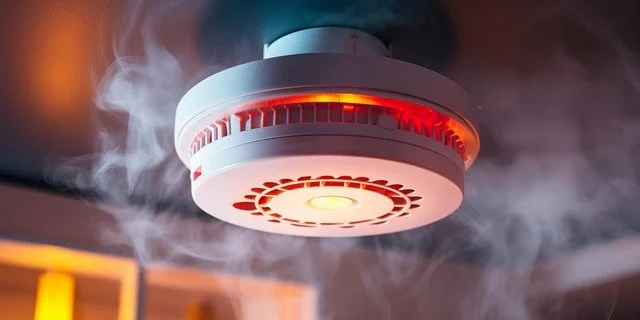
The Smart Home Reality Check: What Works, What Fails, and What Gets Weird

A deeper look at how modern living is reshaping the electrical needs of today’s homes

If you grew up imagining a future like the Jetsons or Iron Man, with flying cars, robot maids and your house managing all your day to day issues, the IoT probably felt like the next logical step. Lights that you could turn on with a command. Thermostats that learn when you get home and when you go to work, to best match your needs. Doorbells that know your neighbors versus unexpected visitors! 

But somewhere along the way we went from “Hey Google, play jazz” to “Hey Google? Please stop turning my lights purple at 3 am” and things have just gotten weirder with every passing year. 

For every moment of true ease and convenience, there’s several more where your smart home behaves like a haunted house of old. Or perhaps more it’s having an existential crisis as it tries to figure out which of three thousand different programs it needs to run, to interact with one specific portion of your home. 

So today, we’re doing a reality check:
Smart home tech — when it helps, when it hurts, and when it definitely needs a time-out.

Let’s start with the good, the questionable, and the “why is my lamp talking to me?”


1️⃣ Pro: Convenience That Actually Feels Magical

You can turn off the whole house from your phone. Adjust the thermostat from bed. Spy on your dog from the grocery store. It’s the dream. And that’s just the basic stuff that smart devices come with out of the box. That’s not even counting what you can get up to with interconnecting devices and setting up routines, or using a site like If This Then That. 

1️⃣ Con: …When It Works.

Courtesy of Geri Tech

But, then there’s the rest of the time. Your smart lock forgets you exist, your voice assistant can’t understand you unless you speak Klingon, and your routine called “Goodnight” turns everything off—including the Wi-Fi and your will to live. How are you supposed to figure out which systems there are, which networks everything is on, and get it straightened out? 


2️⃣ Pro: Real Security Benefits

Smart homes have completely changed security in the modern day, and it’s possible to build your own all in one set up, and know that your home is safe, no matter where you are. Cameras, sensors, alerts, and automated lighting make your home safer and more responsive.
Motion-detected floodlight? Amazing.
Phone alert that your door is unlocked? Useful. 

Doorbell showing you that someone is at the front door? Fantastic! 

2️⃣ Con: Devices That Are So Vulnerable It Feels Like a Prank

But then there’s the other side of things. You expect devices that are inside your home to be safe, and ones that are around your kids, even more so. Yet we’ve already had teddy bears leaking kids’ voice messages and baby monitors that allowed anyone to log into. At this point,  “secure” is stretching the definition more than silly putty.
Some devices come with passwords like “1234,” which feels less like security and more like a polite invitation to hackers.  And how many of them tell you how to go about changing the basic password? 


3️⃣ Pro: Energy Efficiency on Autopilot

Home efficiency is one we talk about a lot, as we’re always looking to help you cut bills when possible. Smart thermostats and connected devices help you reduce waste, cut bills, and keep an eco-conscious home without thinking about it.

3️⃣ Con: The Digital Ghost of the Previous Homeowner

Courtesy of Yan Krukov

If the last owner loved waking up at dawn, guess what?
So will you.
Lights turn on. Shades rise. Thermostats cook the house at midnight.
Some systems are so deeply programmed you’d need a séance—or a $99 subscription hub—to undo it.


4️⃣ Pro: Interconnectivity & Automation

When it works? Bliss. Your lights, locks, AC, and security system all play nicely together. You walk in the door and the house greets you like an enthusiastic golden retriever. It can be amazing and make your life much easier. 

4️⃣ Con: Interconnectivity… and Chaos

But when it doesn’t work?
Devices disappear. Automations fail.
Your hub claims your living room doesn’t exist.
And Google Home users are out here performing full exorcisms just to get the kitchen lights back online.
And it takes someone who knows what they’re doing, understands all of the systems you have, or is capable of writing custom programs to make everything play nice. And then you pray that nothing updates and throws everything you’ve done out the window. 


5️⃣ Pro: Smart Homes Can Make Life Genuinely Better

This is the big one, the one that many of us dream of in some shape or form.
For accessibility, mobility limitations, aging in place, busy families, or just “my thermostat is across the house and I’m not wearing real pants,” smart tech can be a game-changer.

5️⃣ Con: But Only If It Isn’t Weaponized or Compromised

Here’s the biggest downside:
Smart home systems can be used for stalking, harassment, or controlling behavior.
Partner abuse cases now commonly include things like:

  • Remotely blasting heat or cold via the thermostats

  • Monitoring conversations

  • Accessing cameras

  • Manipulating locks, lights, and alarms

It’s the worst-case scenario—and it’s happening more often than people realize.


Your Smart Home Should Work For You — Not Against You

Smart home technology isn’t going anywhere. And honestly? It shouldn’t.
When it works, it adds comfort, convenience, and safety to our daily routines. 

But when it glitches, breaks, ghosts you, or acts possessed by the previous owner’s settings… it’s less “Jetsons” and more “Poltergeist.”

So when it comes to holiday sales and everyone getting new devices for their home thanks to the great deals, give it some consideration before you bring in something new. 


While we can’t help with untangling your smart home, we can and do help with your appliances. From the oven to the washer, the freezer to the dryer, Appliance Rescue Service is here for you. We can help you get your appliances up to snuff for the holidays, whether they need repairs or just a quick maintenance check. 

Website

Smart devices are getting too smart Courtesy of kindel media

Call: (214) 599-0055


Retrofitting Homes for Tomorrow: Managing Rising Energy Needs

A deeper look at how modern living is reshaping the electrical needs of today’s homes

Courtesy of Boyan Chen

Homes in the Dallas–Fort Worth area don’t look or operate the way they used to, and frankly, they can’t. As our summers run hotter, our neighborhoods grow denser, and our families adopt more technology, the demands placed on our homes—and on the electrical grid that supports them—are increasing faster than many homeowners realize. The conversation around retrofitting isn’t just about “making a house more efficient” anymore. It’s about ensuring that older homes can safely meet modern expectations, and newer homes are prepared for the next decade of growth.

And with the amount of discussion surrounding grid stress in Dallas and the surrounding communities, homeowners are understandably paying closer attention to the systems that power their daily lives.

The Pressure on the Modern Home

For decades, homes were designed around predictable electrical patterns. A couple of major appliances, a traditional HVAC system, a reasonable number of outlets—it was enough. But today, that same house may be supporting electric vehicles, high-powered kitchen appliances, networked home offices, multiple entertainment systems, smart devices in nearly every room, and HVAC systems working overtime to keep up with increasingly extreme temperatures.

In many older neighborhoods, the electrical panels and circuits simply weren’t built with this level of usage in mind. Even newer construction is being forced to evolve rapidly, designed less like a simple shelter and more like a mini energy hub. And the strain doesn’t stop at the front door—the local grid feels it as well. During peak summer heat, when nearly every household is running its air conditioning at full tilt, Dallas sees predictable spikes that stretch the grid close to its limits.

This is where retrofitting steps in—not as a luxury, but as a practical and increasingly necessary strategy.

Retrofitting as a Response to Rising Demand

Retrofitting isn’t one thing. It’s a collection of thoughtful upgrades that help a home function efficiently, safely, and sustainably in a landscape where energy use trends continue to rise.

For many homeowners, the first step is addressing the electrical system itself. Older breaker panels may not have the capacity to support EV chargers, modern HVAC units, or high-powered appliances without risking overloads. Upgraded panels, expanded circuits, and smarter load-management systems allow the home to distribute electricity effectively, reducing strain and preventing outages.

Beyond electrical capacity, the efficiency side matters just as much. When a home wastes less energy, the demand on the grid—and on a homeowner’s wallet—drops significantly. Improved insulation, air sealing, modern HVAC units, and high-efficiency appliances work together to reduce unnecessary power consumption. It’s not just about being “more eco-friendly”; it’s about creating a home that doesn’t need to fight its own inefficiencies just to stay comfortable.

Courtesy of Sebastian Ganso

And increasingly, many homeowners are looking beyond simple upgrades and adding renewable solutions like rooftop solar and home battery storage. These aren’t status symbols—they’re practical tools for offsetting grid reliance, smoothing out peak demand, and providing resilience during outages. In a region where storms, heat waves, and high-usage periods can cause sudden disruptions, this kind of stability matters.

Future-Proofing the Home

A key point in your research stands out clearly: retrofitting isn’t just about solving today’s problems. It’s about anticipating tomorrow’s.

Electric vehicles are becoming commonplace. Smart home technology is only expanding. Appliances are becoming more advanced, often requiring dedicated high-capacity circuits. And the local grid, as it stands, cannot simply scale at the same pace as consumer demand.

The homeowners who retrofit now aren’t just upgrading—they’re preparing. A future-proofed home is one that can handle tomorrow’s appliance upgrades, unexpected heat waves, and evolving technology without requiring an emergency overhaul. This preparation is particularly important in Dallas, where growth is constant and grid conversations are growing louder.

The Challenges Homeowners Face

None of this is without complications. Upgrading a home comes with real costs, and not every neighborhood has the infrastructure to fully support modern electrical capacity. Skilled professionals are essential, and the pace of technological change can be intimidating. But the research makes one thing clear: doing nothing isn’t a sustainable long-term option.

As electrical demand rises, older systems will feel the strain. Homeowners who invest in smart upgrades—whether small steps like LED lighting or major changes like panel replacements—benefit from reduced bills, increased safety, and a home that’s ready for the future instead of fighting against it.

Where This Leaves Dallas Homeowners

It leaves them at a crossroads, but a promising one. Retrofits, upgrades, and efficiency improvements aren’t simply trends—they’re the natural evolution of modern living. They protect the home, ease the burden on the grid, and give homeowners greater control over their comfort and costs.

Dallas is growing, changing, and electrifying, and our homes are changing with it. The shift toward future-proofed, energy-conscious design is no longer reserved for luxury builds. It’s becoming the standard, and homeowners who embrace it early will feel the benefits for years to come.


While Appliance Rescue Service can’t retrofit or build your home electrical system, we are dedicated to keeping the systems inside your home running smoothly. Whether it’s an oven that won’t heat properly or a freezer that refuses to get cold enough, we’re here to help. When your home’s appliances need expert care, count on us to keep everything operating the way it should.

Courtesy of Pixabay


Website
Call: (214) 599-0055

Appliance Repairs, Manufacturer Roadblocks, and Your Right to Choose

You paid for your appliances. Shouldn’t you be able to fix them?

It’s frustrating when an appliance you rely on starts to fail — especially when the fix turns out to be simple, but the manufacturer won’t let anyone but their technicians handle it. Maybe you’ve been told parts are “unavailable,” or that using a local repair company might void your warranty. It’s enough to make anyone wonder: who actually owns this appliance — you or the manufacturer?

That question lies at the heart of the Right to Repair movement. It’s about more than fixing a fridge or a washing machine — it’s about your right, as a homeowner, to decide what happens to the things you’ve paid for.


What is the Right to Repair?


The “right to repair” refers to consumers’ and independent repair providers’ ability to access the parts, tools, documentation, firmware and other resources needed to diagnose, maintain, or repair a product that they own. According to The Repair Association, the movement is grounded in the principle: “You bought it, you own it. Period.”In practical terms, a right-to-repair regime would require manufacturers to make available, on fair terms, the same service manuals, replacement parts, diagnostic tools and software updates that their authorized repair networks use.
Historically the issue has grown because as more home appliances and other products incorporate embedded software, sensors, proprietary tool-locks and “paired” parts, consumers and independent shops increasingly find themselves locked out of repairs unless they go through the manufacturer’s authorized channel.
For homeowners and appliance repair companies alike, the right to repair means that when a refrigerator, washer, dryer or other household appliance fails, the owner (or a trusted local technician) should have the choice to repair it — not be compelled to replace it or send it to a factory-only repair facility.


 Why is it important?


The right to repair is important for a number of intersecting reasons: economic, environmental, consumer-rights and market-competition.
From the consumer’s side, restricting access to repair tools and parts can raise costs, delay fixes, reduce choice and push replacement instead of repair. As the Federal Trade Commission concluded, “lack of repair options increases costs to consumers.”
From the environmental side, enabling repair helps extend product lifespans, reduce waste and mitigate the resource and energy consumption involved in manufacturing and disposal.
From the market side, when only manufacturer-authorized repair channels exist, independent and local repair businesses are locked out, reducing competition and consumer choice. As one explainer puts it: “Repair restrictions have squeezed independent repair shops, which are overwhelmingly small, local businesses.”
And finally, from the consumer-rights side, when you buy a product you expect to own it, use it, maintain it and repair it — not be forced into “licensing” your product or being captive to a manufacturer’s repair monopoly. Taken together, these factors make the right to repair a foundational issue for homeowners who rely on appliances, for local repair businesses that serve homeowners, and for a fair, sustainable marketplace.


Courtesy of Vikas Raghav.

Why do we want it?
We want the right to repair for several key reasons.
First, because it restores choice and control: homeowners gain the ability to have their appliance fixed (or make themselves the choice) rather than being forced into expensive replacements or manufacturer-only service. This means fewer surprises, less frustration and potentially lower lifetime costs for appliances.
Second, because it supports competition: when independent repair shops – especially local ones – have access to the same parts, tools and information as authorized channels, they can offer competitive pricing, faster service, and more convenience. According to Congress’s record, “Independent repair shops frequently offer lower prices than larger manufacturers.”
Third, because it aligns with sustainability: enabling repair keeps appliances in service longer, reduces e-waste (and the associated environmental damage), and makes the most of the resources already invested in the product.
Finally, because it strengthens community-based businesses: small, local appliance repair companies are plugged into their neighborhoods, know homeowners by name, provide personal service and invest locally. Giving them a level playing field helps local economies — not just big manufacturer service-networks.


Why does this matter to you, as a homeowner?
For homeowners served by a local company like Appliance Rescue Service, the right to repair means more reliable, affordable, timely service when an appliance breaks. When independent local repair shops have unfettered access to OEM parts, tools, repair documentation and software diagnostics, they can offer faster turnaround, lower fees and more flexibility (for example, offering used or aftermarket parts when appropriate).
In practical effect: if a homeowner’s refrigerator starts malfunctioning, a local technician can diagnose the problem onsite, order the correct part quickly (rather than waiting several days for “authorized dealer only” parts), and complete the repair — avoiding a full replacement or extended downtime. That saves the homeowner money, keeps their household running smoothly, and supports local businesses

.
From the business side, when repair restrictions are removed, local repair shops don’t have to steer homeowners toward costly manufacturer-only service or replacement. They can compete, maintain a margin, and grow, which means they can reinvest in training, tools, stock parts, and rapid response, which benefits homeowners in turn. As noted in policy discussions: repair restrictions “negatively impact small firms by raising costs and limiting repair options for small businesses that depend on machinery.” While that quote was directed at agriculture, the same logic applies to appliance repair.
When homeowners know their local repair shop is equipped, empowered and fairly able to service their appliance, it builds trust, promotes home appliance longevity, and spares costly “replace-because-repair isn’t affordable” outcomes.


What does it mean if we as Americans don’t have the option for right to repair?
If Americans lose or never secure the right to repair, the practical consequences ripple through homeowners, repair businesses, communities and the economy. For homeowners: repair costs will likely stay higher, service options fewer, downtime longer, and replacement more common as the default — which means more money out of pocket, more waste, less flexibility.
For local repair shops: restricted access means fewer tools and parts, higher overhead, dependence on manufacturer channels, less ability to serve their community, higher prices, fewer jobs, and weaker local economies. For instance, independent shops may have to charge more or wait longer for parts, decreasing competitiveness.


For communities and the environment, more appliances get discarded instead of repaired, increasing waste streams, piling up in landfills, consuming more manufacturing resources, and generating more emissions. Homeowners may feel powerless, and repair becomes unaffordable for many — disproportionately those in rural or low-income communities, where local repair shops often fill the gap. For the broader market, a repair monopoly by manufacturers means less competition, less innovation in repair service business models, fewer choices for consumers, and fewer incentives for appliances to be made repair-friendly. Simply put: lack of the right to repair stifles choice, increases cost, rewards replacement over repair and undermines local service capacity.


If we don’t act, homeowners may increasingly be forced into either buying new or paying high authorized‐dealer rates, local repair shops may shrink or disappear, and our built-in household infrastructure (appliances, etc.) will become more disposable and less resilient.


As homeowners, we’re not just customers — we’re caretakers of the homes we’ve built and the things that keep them running. The Right to Repair is one small part of protecting that independence. When we lose the freedom to fix what we own, we lose control over cost, convenience, and even sustainability in our own homes.

At Appliance Rescue Service, we believe every homeowner deserves honest, affordable repair options — not locked systems and forced replacements. Our technicians take pride in helping Dallas-area families extend the life of their appliances through reliable, local service.

Call: (214) 599-0055

Website 


Built to Last: What “Sustainable Appliances” Actually Mean

Not all energy-efficient appliances are created equal. Here’s how to spot the real deal.

We’ve all heard the buzzwords: eco-friendly, energy efficient, green. But when it comes to the machines running our homes — the dishwashers, fridges, washers, and stoves we use every day — what does sustainable actually mean?

It’s not just about plugging in a shiny new “Energy Star” model and calling it a day. True sustainability is more than a sticker — it’s about what an appliance is made from, how long it lasts, how efficiently it runs, and even how you use it.

Let’s break down what these terms really mean, why the definitions vary, and how to tell the difference between a genuinely sustainable appliance and one that just looks the part.


What “Sustainability” Really Means

Sustainability is one of those words that means something a little different depending on who’s talking. To a manufacturer, it might refer to design — using recycled materials, cleaner production processes, or components that can be repaired and reused. To consumers, it often means an appliance that lasts longer, uses fewer resources, and doesn’t end up in a landfill five years later.

At its core, sustainability is about minimizing harm across an appliance’s entire lifecycle — from how it’s built, to how it operates, to what happens when it’s finally retired.

Appliances like those made by Beko, for example, are partially constructed from recycled plastic, while brands such as Asko have factories certified under ISO 14001 environmental management standards. These efforts don’t just look good on paper; they’re part of a broader push to make each step in manufacturing less wasteful and more circular.

But the truth is, “sustainability” isn’t one-size-fits-all. A refrigerator that’s sustainable for a large family might not make sense for a single person. The most sustainable appliance is the one that meets your needs, runs efficiently, and lasts — because replacing things too often is one of the least sustainable habits of all.


Energy Efficiency: Who Defines It and Why It Matters

Energy efficiency is the measurable side of sustainability — and unlike “eco-friendly,” it does have an official definition. In the U.S., the Environmental Protection Agency (EPA) and the Department of Energy (DOE) set the standards that determine whether a product earns that familiar Energy Star label.

To qualify, an appliance must perform as well as (or better than) standard models while using less energy or water. For example, Energy Star dishwashers use about 12% less energy and 30% less water, and certified refrigerators use around 9% less energy than conventional units.

In Europe, similar regulations fall under the ERP Directive (Energy-Related Products), which requires manufacturers to design appliances for efficiency and reduced emissions. The European Union also uses standardized energy labels — rated from A (most efficient) to G (least efficient) — so consumers can make direct comparisons.

That said, contradictions do exist. Some products may technically meet energy-efficiency standards while still relying on harmful materials or having short lifespans. Efficiency alone isn’t the whole picture — an appliance that uses less energy but breaks after five years is far less “green” than one that lasts for fifteen.


Third-Party Certifications: Who’s Who and Why They Matter

If you’re looking to separate marketing claims from measurable impact, third-party certifications are your best friends. They’re not all created equal, but each plays a role in identifying what’s genuinely sustainable.

  • Energy Star (EPA, U.S.): The most recognizable label in North America, Energy Star certifies appliances that meet or exceed government standards for energy efficiency. Established in 1992, it’s helped households save billions in energy costs and significantly reduce emissions.


  • WaterSense (EPA, U.S.): Focused on water efficiency, WaterSense products use at least 20% less water than comparable models without sacrificing performance — think low-flow faucets, efficient dishwashers, and washing machines.


  • EU Energy Label (European Commission): Updated in 2021, it provides transparent data on an appliance’s energy use, now using the A–G scale and QR codes for full performance details


  • ISO 14001 Certification: A global standard for environmental management systems, ensuring manufacturers actively minimize their ecological footprint across production.


When used together, these certifications can paint a clearer picture of how efficient and sustainable a product really is. Still, they only measure part of the story — which is where consumers need to stay alert.


Greenwashing: When “Eco-Friendly” Isn’t

Here’s the uncomfortable truth: not every “green” product is what it claims to be. Greenwashing — marketing something as environmentally friendly without meaningful evidence — has become a widespread issue across nearly every industry.

It might look like a washing machine advertised as “eco-smart” with no certification to back it up, or a fridge promoted as “carbon-neutral” because the manufacturer bought offsets instead of changing production methods.

Spotting it takes a little skepticism and a quick fact-check. Look for:

  • Specific data, not vague claims like “eco-friendly” or “planet-safe.”

  • Third-party validation (like Energy Star or WaterSense), not just brand-created logos.

  • Transparency — good companies clearly explain how their products meet standards, from materials to energy use.


If something sounds too good to be true — 100% emissions-free, fully recyclable, or “sustainable by design” with no details — it probably is.


What to Look For If You’re Committed to Sustainability

If you’re serious about sustainability, here’s what to keep an eye on before you buy — and after.

1. Efficiency ratings. Start with Energy Star and WaterSense certifications. These ensure your appliance meets measurable performance standards for energy and water use.

2. Durability and repairability. Choose brands known for longevity, available parts, and clear maintenance support. A ten-year-old appliance still running strong is far more sustainable than a newer one headed to the landfill.

3. Materials and end-of-life options. Look for recycled components, recyclable metals, or take-back programs. Some manufacturers (and retailers like The Good Guys and Appliances Online) offer recycling services when you replace old appliances.

4. Honest manufacturing practices. Companies with ISO 14001 or transparent sourcing policies are more likely to follow through on their promises.

Courtesy of Gerd Altmann

5. Smart habits. Even the most efficient machine can waste energy if used poorly. Run full loads, use cold water cycles, skip pre-rinsing dishes, and air-dry when possible. Sustainable living is as much about how you use your appliances as what you buy.


Built to Last

Sustainability isn’t a finish line — it’s a mindset. It’s choosing appliances that fit your household, last longer, and waste less. It’s asking questions before you buy, and using what you already have wisely.

Because the most sustainable appliance isn’t the newest model on the shelf — it’s the one that keeps doing its job for years without wasting energy, water, or money.

So before you replace, repair. Before you buy, research. And when you finally upgrade, make sure it’s truly built to last. And when those trusted machines eventually need a little help, ARS can be there with you every step of the way — from diagnosis to repair — helping you take that first step toward sustainability by keeping what you already own working better, for longer.

Website

Call: (214) 599-0055


When Your Kitchen Turns Against You: Hidden Dangers Revealed

Where Safety Ends and the Invisible Begins

The kitchen is the heart of the home. Warm food at the end of a long day. Snacks and baking with family. A place to gather when things go wrong, or right. Yet, within the steam and the stainless steel, there are dangers that wait patiently. There are no jump scares here. Just quiet threats that reveal themselves slowly.

In many ways, our kitchens are safer than ever. We lock cabinets and ovens against curious littles. We pay closer attention to what we eat and how we prepare it. We keep fire extinguishers and smoke detectors nearby and teach our children how to escape if flames appear. There is always a but though, isn’t there? The hazards haven’t vanished. They have simply shifted into places we rarely consider. Invisible pollutants and toxic materials move into the air we breathe and the food we eat. Safety is no longer only about flames and sharp edges. It is about the things you cannot see.

Courtesy of Steven

The air in our kitchens isn’t always as clean as we trust it to be. The stove seems harmless when it sleeps, yet methane can escape quietly even when the flame is out. Once ignited, the gas releases nitrogen oxides that linger in the air. The problem grows when the appliance is installed without proper ventilation, or when that ventilation goes unused. Short bursts of cooking have been shown to push indoor pollutant levels beyond recommended air quality limits. Children in homes where gas stoves lack ventilation are more likely to experience respiratory issues and asthma symptoms. These dangers hide in everyday routine. Using the range hood or opening a window helps the fumes escape, and paying attention when the stove acts up can prevent bigger issues from developing. If an appliance seems to burn too hot or produce more smoke than it should, it’s time to have it checked.


Even when the stove behaves, cooking itself has ways of filling the air with what we can’t see. High heat and a sizzling pan feel like comfort, yet when cooking oil reaches its smoke point, the air starts to shift. Those flavorful wisps can carry polycyclic aromatic hydrocarbons and volatile organic compounds—pollutants tied to lung cancer risks in research. Frying, charring, and even everyday high-heat cooking can trap harmful particles indoors if ventilation is lacking. Choosing oils that hold up better to heat and keeping temperatures controlled can reduce what enters the air unnoticed. The danger rises with the temperature long before anyone sees smoke.

Courtesy of Alexander Fox PlaNet Fox

And sometimes the danger isn’t in the ingredients at all. It’s in the tools we use to cook them. The nonstick pan that promises convenience can turn quietly against you over time. When overheated, coatings like PTFE release fumes that drift into the air. Scratches allow tiny flakes to break free and move into the food. These coatings have been associated with serious health concerns when they begin to degrade. That pan doesn’t shout for attention as it wears down. It simply waits until the damage is already done. Choosing cast iron, ceramic, or stainless steel where you can is a safer alternative.

Even the containers meant to protect our food can quietly betray us. Plastic containers feel like a harmless storage solution, but heat changes the rules. When exposed to microwaves or hot food, plastics can release chemicals like BPA and phthalates into meals. Both are known endocrine disruptors, with risks increasing as plastics age or break down. Even items labeled as “microwave-safe” may not withstand repeated high temperatures. The danger doesn’t present itself dramatically. It accumulates slowly with every reheated leftover, every warmed-up lunch. Replacing worn containers and choosing glass for hot foods reduces the risk.

A fresh scent can hide something far less comforting. The sharp, clean smell left behind by powerful cleaners carries its own invisible threat. Many household disinfectants and fragranced products release volatile organic compounds into the air, especially in enclosed spaces. These chemicals may irritate the respiratory system and linger after the shine fades. Combining products like bleach and ammonia can even create toxic fumes. Using safer cleaning solutions and rinsing surfaces after harsh products can help keep the air less hostile.

And in the quiet corners where nothing looks dangerous at all, another threat multiplies. Even the everyday tools we trust are not always on our side. Sponges and dishcloths can harbor more bacteria than a toilet seat, spreading contamination with every swipe. Towels that never fully dry become quiet reservoirs that move germs from place to place. The danger here is not dramatic. It waits. It spreads. It thrives on ordinary habits.

The hazards may seem small on their own, yet together they shape the air and food we trust most. The kitchen is not cruel. It has simply evolved into a space where danger wears disguise. Once the unseen becomes visible, the atmosphere shifts. Small, thoughtful changes restore safety to the room that should comfort us most. When we uncover the invisible problems, we take back control of the home.

We depend on the tools that cook for us. If your major appliances spark, smoke, or behave in ways that feel wrong, don’t wait for the tension to build. ARS can make sure your appliances are functioning safely before the story takes a darker turn.


Website

Call: (214) 599-0055